



What is ReadyOp? – ReadyOp integrates planning, operations, communications, visual displays, reporting forms and more in a single web-based platform now in use nationwide and internationally. ReadyOp is used by government agencies, hospital, ports and airports, first responders, schools and universities, companies and unified commands for daily operations, alert and response actions, special event planning, incident management, and emergency response and recovery. ReadyOp is simple to use and designed for fast, efficient access to information, as well as the ability to plan, coordinate, direct and communicate with multiple persons, groups agencies and locations.

ReadyOp is a web-based, encrypted, interagency, interpersonal communication platform requiring no hardware or software.
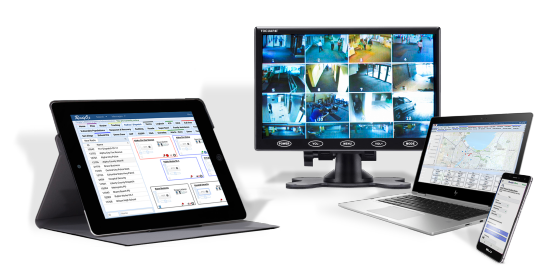
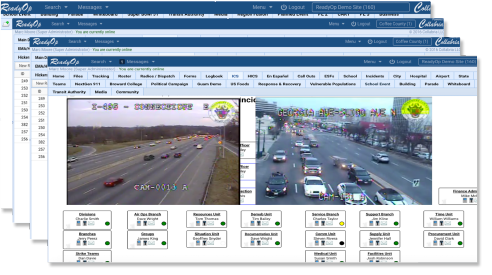
ReadyOp is unique – No other program offers such a complete package of capabilities in a single,
easy-to-use proven platform. ReadyOp is used nationwide at all levels of government, hospitals, schools and more. It has served clients through hurricanes, fires, floods and now a pandemic. ReadyOp is easy to learn and use, very flexible, low cost and most importantly, proven in everyday operations and emergencies.
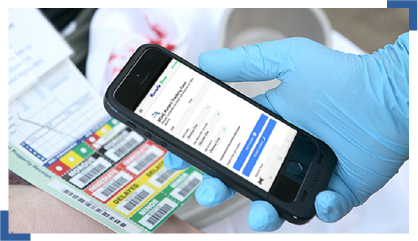

ReadyOp is unique in providing multiple capabilities in a single platform. ReadyOp is used nationwide by agencies and organizations of all sizes and types.